COMPANY
Digiteal SA
BE 0630675588
LEI 9845000A44AB9CA60605
Rue Emile Francqui 6/9
1435 Mont-Saint-Guibert
Belgium
ABOUT DIGITEAL


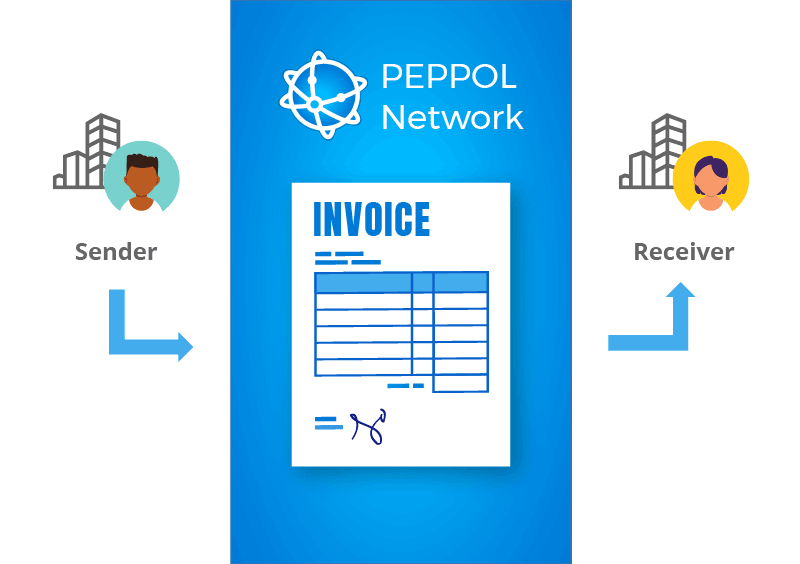
Electronic invoicing (or e-invoicing) refers to the process of creating, sending and receiving invoices electronically, without recourse to physical media.
Unlike a dematerialized invoice, which may be in digital form but still transmitted via traditional channels (such as e-mail with a PDF attachment), e-invoicing uses structured, standardized formats.
Chances are you’re already using electronic billing software.
To comply with current standards, your software must be compatible with the PEPPOL network via a certified access point. FOD/SPF BOSA, the federal administration responsible for B2G electronic invoicing, has drawn up
a list of IT solutions that offer this connectivity.
Is your usual software not listed? We’d be delighted to invite you to contact Digiteal, the preferred PEPPOL access point for forward-looking companies and administrations. We’ll be delighted to help you benefit from the many advantages of electronic invoicing via PEPPOL.
COMPANY
Digiteal SA
BE 0630675588
LEI 9845000A44AB9CA60605
Rue Emile Francqui 6/9
1435 Mont-Saint-Guibert
Belgium
ABOUT DIGITEAL

 Elindus gets paid faster thanks to the payment QR code
Scroll to top
Elindus gets paid faster thanks to the payment QR code
Scroll to top